Listen to Jacqui on MoreFM with Ken Swan Our newest vet graduate Jacqui Ardern recently…
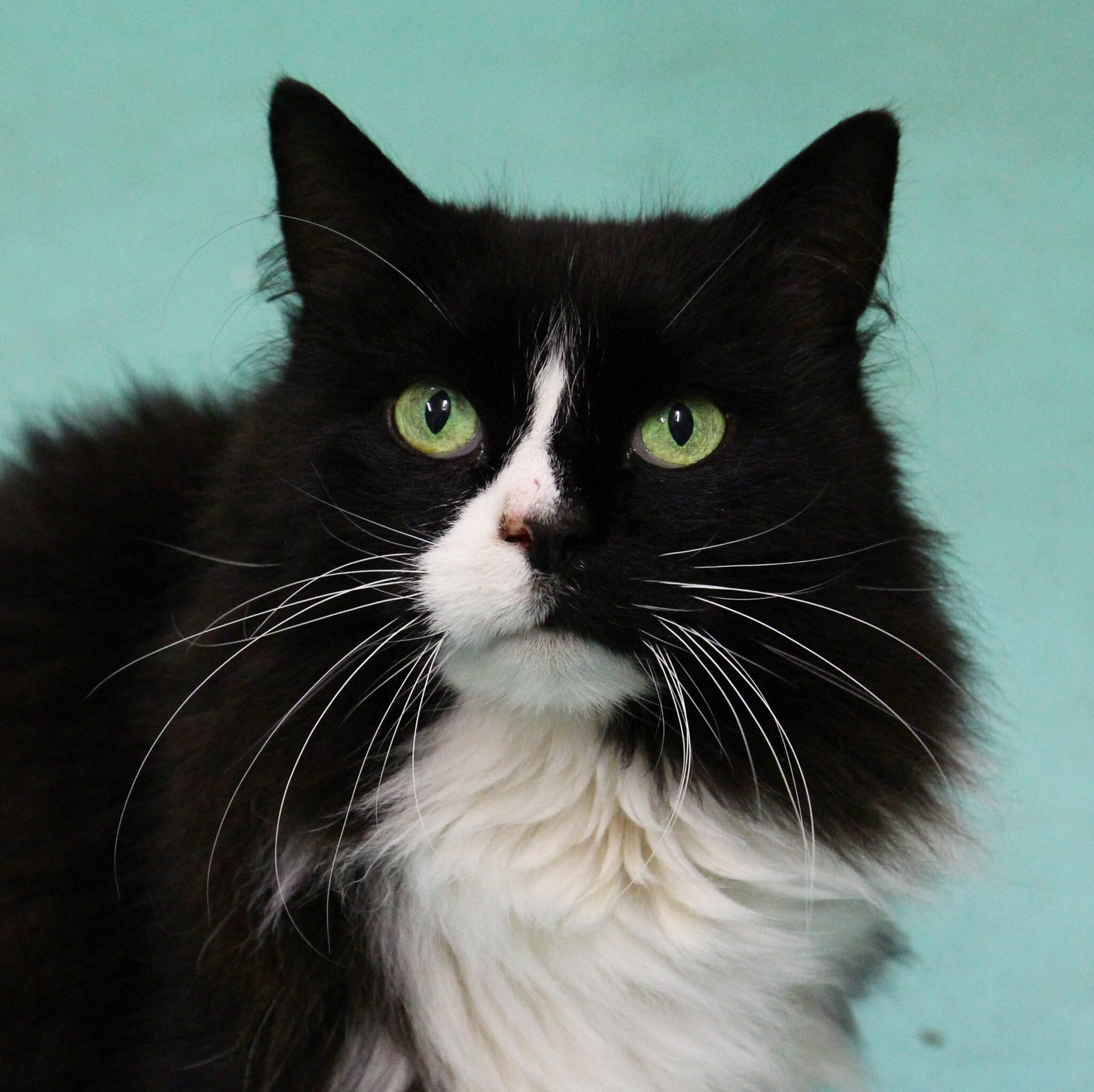
Cats: The Low-Key Therapists We Didn’t Know We Needed
Stressed? There’s a Cat for That!
Stop, Purr, and Relax: What Cats Do for Your Brain
Ever notice when a cat hops onto your lap, slow-blinks at you from across the room, or nudges you gently with a soft purr, you’re instantly filled with a gooey sense of calm? Turns out, these tiny gestures aren’t just adorable – they have real biological effects that help lower stress, boost the love hormone, and even help your heart rate recover after a tense moment.
Gentle Cat Moments Reset Your Nervous System
A few pats, a slow blink, or a cozy cuddle with your cat can boost oxytocin, the “love and bonding hormone.” When oxytocin rises, the stress hormone cortisol drops, helping your body shift into “rest and digest” mode. (rnz.co.nz). Interestingly, this works both ways: cats also experience a boost in oxytocin when they choose to engage in contact, like hopping onto your lap or nudging you for attention.
That mutual calm is part of what makes the human–cat bond so special.
Slow Blinks: A Cat’s “I Trust You”
That slow blink your cat gives you? It’s basically a feline “I trust you.” Returning the slow blink strengthens your bond and can lower stress for both you and your cat. Think of it as a tiny, shared moment of calm, no words required. (rnz.co.nz)
Purring: Nature’s Gentle Therapy
A cat’s purr isn’t just soothing to hear, it can lower heart rate and reduce stress, reinforcing feelings of safety and comfort. Feeling a purr vibrating through your lap is one of the simplest ways cats help their humans feel calmer in everyday life. (rnz.co.nz)
Cats Help Your Body Handle Stress
Research shows that cat owners often have lower resting heart rates and blood pressure than non-cat owners. During stressful situations, having a cat nearby can reduce your body’s stress response – sometimes even more effectively than having another person present. Pets provide non-judgemental companionship, offering comfort without adding social pressure.
Pet owners also tend to recover more quickly after stressful events, with heart rate and blood pressure returning to normal faster. (Allen, Blascovich & Mendes, 2002)
Even Short Cat Moments Count
You don’t need a whole afternoon, studies suggest even 5–10 minutes of gentle petting can lower cortisol levels. So next time your cat decides your laptop keyboard is the perfect spot to sit, take the hint. Pause, enjoy the purr, and let your body soak in a little calm. Working from home? Try pairing your morning coffee or afternoon tea break with a cat on your lap. It works for us – lucky for us, our “office” is a vet clinic fully stocked with cats ready for mid-day cuddles.
Not a Replacement for Professional Help
We’re not saying cats replace professional therapy. But a little cat pat is a surprisingly effective, low-key tool for keeping stress in check. A nudge, a purr, or a slow blink might be all it takes to calm your heart and slow your breath for a moment, a gentle reminder to be present. So next time you notice your cat chilling nearby, remember: they might just be your low-key stress therapist, so go on, give them a snuggle.
Find out more
Cats raise oxytocin and help reduce stress when interactions are voluntary — Jerusalem Post (jpost.com)
Friendly cat contact linked to oxytocin surge and lower cortisol — RNZ (rnz.co.nz)
5–10 minutes of petting cats or dogs lowers cortisol — ScienceDaily (sciencedaily.com)
Allen, K., Blascovich, J., & Mendes, W. (2002). Cardiovascular reactivity and the presence of pets, friends, and spouses: The truth about cats and dogs. Psychosomatic Medicine, 64(5), 727–739.

Related Posts